A “peace caravan” has reached Los Angeles in search of Hollywood support for its crusade to end to the US war on drugs, which organizers blame for the violence tearing up Mexico. “The artists are the opposite of the barbarity we are living with,” said Mexican poet Javier Sicilia, who launched the campaign against theRead More
A database of everyone who has an Arizona medical-marijuana card is being well-used by employers and law enforcement officials, a report of database users shows.
CANNABIS CULTURE - The world's largest pot "protestival" kicks of its twenty-first annual celebration today as marijuana-lovers from around the globe gather for Seattle Hempfest 2012.
The Los Angeles City Attorney’s Office is threatening local medical marijuana dispensaries with steep fines and potential jail time unless they close their doors by September 6.
CANNABIS CULTURE - You might think that everything comes easily to twenty-three year old Lukas Nelson, being the son of Willie Nelson, one of the most recognizable musicians in the world.
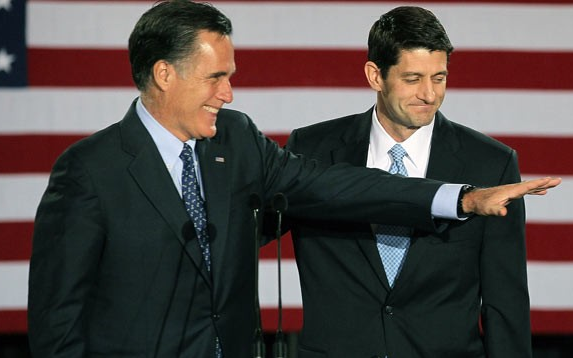
CANNABIS CULTURE - Wisconsin Congressman Paul Ryan, 42, has been named as Vice Presidential pick by Republican Mitt Romney. Ryan, who has a terrible record on human rights, been making waves as head of the House Budget Committee, with yet another a plan to cut taxes on the rich and roll back social programs.
Diagnosed with multiple sclerosis in 1995, Falmouth resident Kelly Irwin found that marijuana worked better to treat her pain, fatigue and nausea far better than the opiates she was prescribed.