Americans are increasingly reaching for canned cannabis drinks instead of beer this summer, a shift that could be short-lived once a new federal law takes effect later this year.
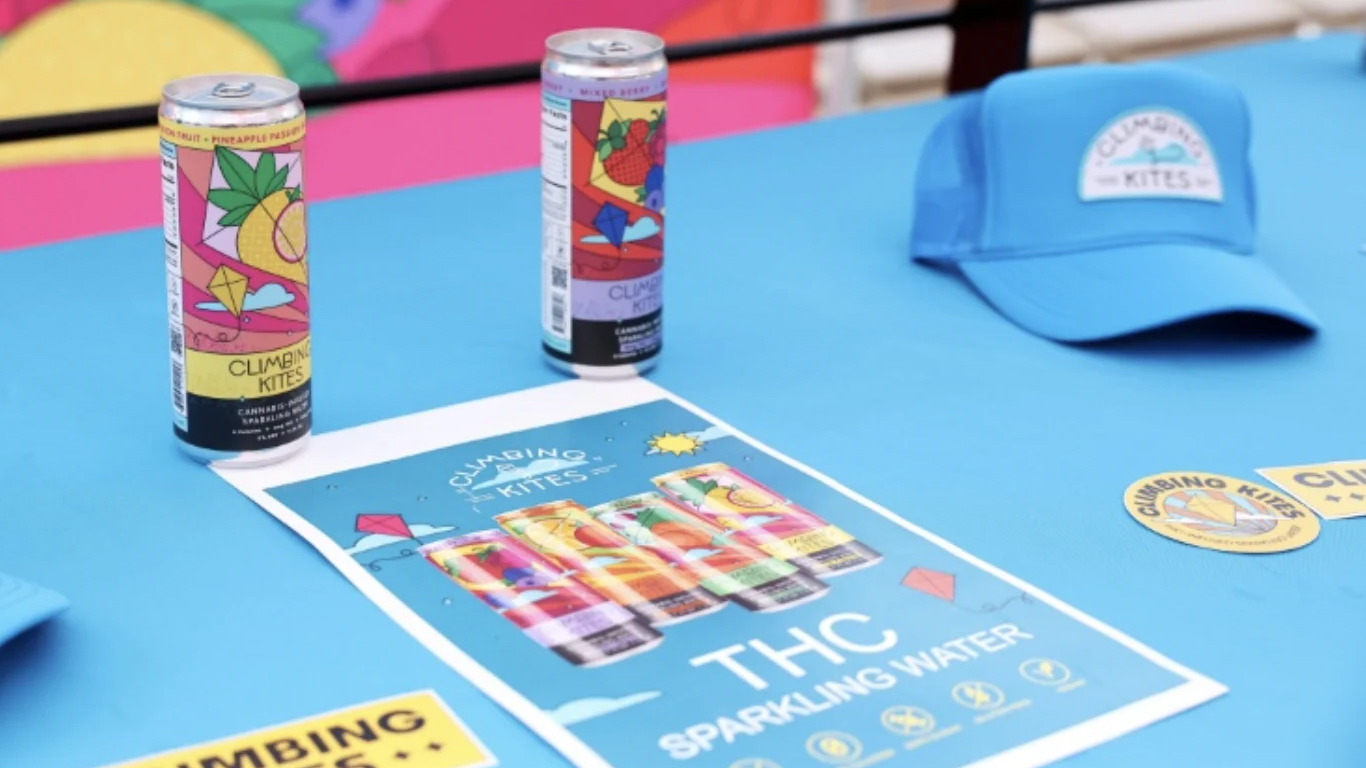
THC-infused beverages, once found only in specialty shops, now sit on shelves at mainstream supermarkets across the United States. The drinks contain tetrahydrocannabinol, the compound responsible for marijuana’s intoxicating effects, but no alcohol.
At a recent brunch in coastal North Carolina, small business owner Cecilia Pfaff served her guests a mix of beer, wine, mimosas and a THC beverage called Willie’s Remedy+, labelled as a “hemp derived…high dose social tonic.” The bottle contained 170 milligrams of THC, or 10 milligrams per serving.
“Pretty much everybody I know, all of whom are professionals, are taking a THC-derived product in some form,” Pfaff told AFP.
Pharmaceutical salesman Pat Clougherty, a guest at the brunch, said the drinks have largely replaced his and his wife’s usual choices of red wine and beer. He said he no longer wakes up feeling as hungover.
The shift comes as alcohol consumption declines nationally. A 2025 Gallup poll found only 54 per cent of Americans drink alcohol, the lowest figure since the polling firm began tracking the question in 1939.
Meanwhile, cannabis beverage sales are climbing fast. Trent Mooring, who launched the Kaya brand of THC drinks in Kinston, North Carolina in 2024, told AFP his sales have tripled over the past year after a major supermarket chain began carrying his products.
Market research firm Euromonitor estimates the industry grew from $238 million in 2023 to roughly $720 million in 2025, and projects it will surpass $1 billion in retail sales in 2026, according to the firm’s Peter Hamilton.
That growth may not last. While recreational marijuana remains illegal under U.S. federal law, hemp-derived products have generally been legal since a 2018 law change intended to support non-intoxicating hemp goods. That opening allowed companies to develop concentrated THC drinks, candies and vapes.
In late 2025, the Republican-controlled Congress passed new limits capping THC content at 0.4 milligrams per container, starting November 12, 2026, far below the 5 and 10 milligram doses common in today’s products.
“It’ll crush the [THC] beverage industry,” Mooring said.
Industry groups, including the National Restaurant Association and the Wine & Spirits Wholesalers of America, are now lobbying Congress to revisit the rule. Mooring said he supports keeping THC beverages legal but regulated, similar to alcohol.
“They’ve got to figure something out,” he said.
Read the full article at The Winnipeg Sun