Rain forests around the world are rapidly disappearing due to illegal logging, the growth of palm oil plantations, the clearance for cattle ranching and other forms of commercial agriculture.
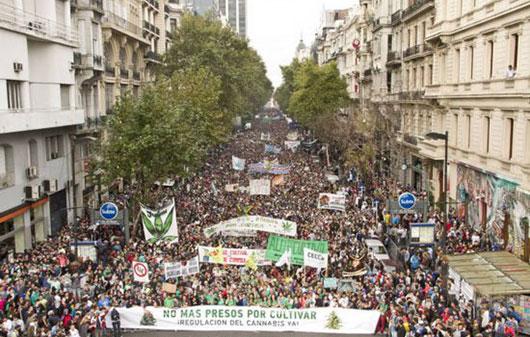
One after another, Latin American leaders rose to the podium at the last UN General Assembly to take a stand against the United States' signature security policy in the hemisphere -- the war on drugs.
For years the country was largely untouched by the brutal cartels that control the narco trade in Mexico. But an eight-year-old boy is proof those days are over
Juan Manuel Santos, incumbent President of Colombia, which has fought a long-time war on drugs with the support of the U.S., has just signed a public letter questioning that war on grounds of efficacy, cost, side effects, and fairness.
Uruguay has long been at the vanguard of social reform in Latin America. Today, it is on the verge of passing into law one of its most radical ideas yet.
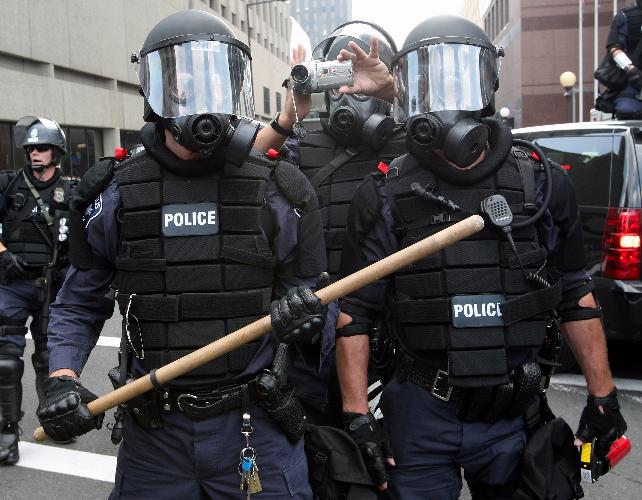
The federal government’s effort to battle drug abuse has been a tragic and expensive failure. But of course, admitting that would make politicians, who regularly endorse it to sound tough, seem foolish and careless with taxpayer dollars. So the War on Drugs continues, while of necessity it slowly morphs into new forms of federal waste and unnecessary intrusion into people’s lives.
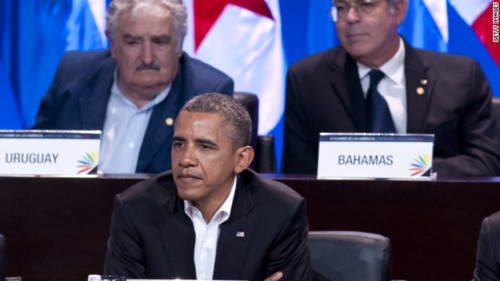
While the presidents of Guatemala, Colombia, Costa Rica and El Salvador have voiced support for an end to the drug war, President Obama rejected their calls for drug legalization during high-level talks at the Summit of the Americas in Colombia.