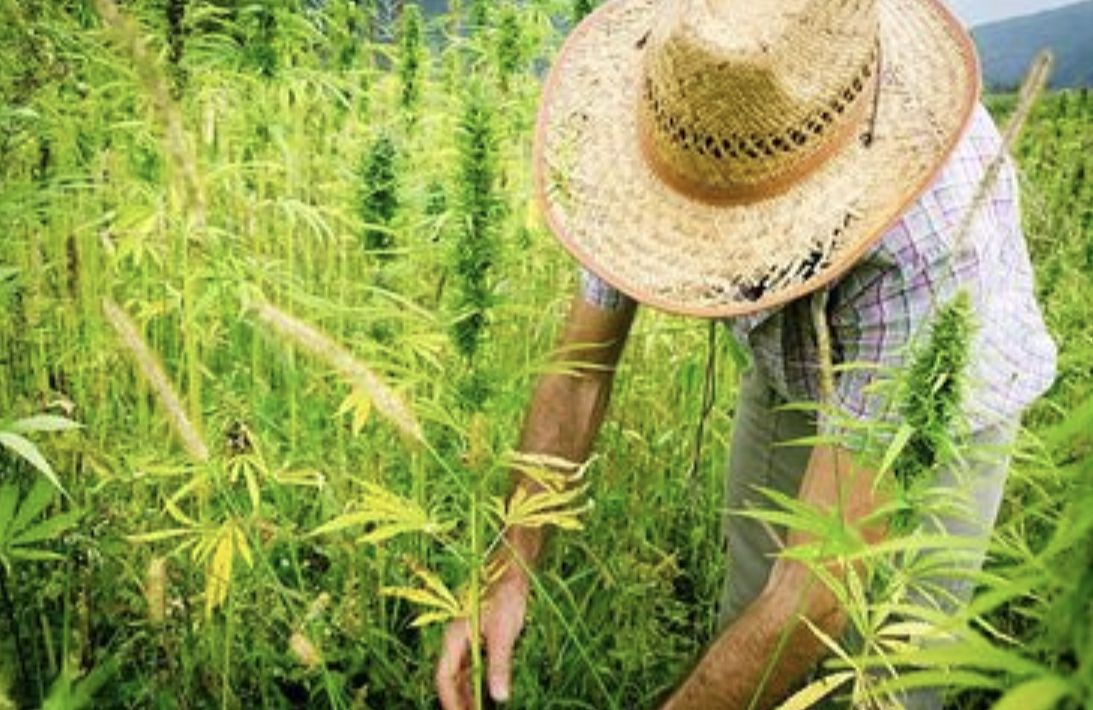
CANNABIS CULTURE – “One of the biggest barriers we faced in trying to enter the market was the ability to access the supply chain,” said Tim Houseberg, executive director of Cherokee Nation-based Native Health Matters Foundation. “We already have the land and the knowledge to begin cultivation, and we were looking for a way to access a marketplace.”
Houseberg has teamed up with Everscore, the first direct-to-consumer marketplace for THC and CBD products to create Native American Cannabis Alliance (NACA), whose mission is to empower Native American farmers to seize opportunities in the cannabis market.
“This is a straight up commercial transaction. They just happen to be indigenous,” says Jeff Sampson, CEO and Founder of Everscore. Sampson grew up in investment banking and private equity, and has seen how industries are disrupted and transformed, leading to opportunities being removed from the space. He says cannabis is heading in that direction.
Sampson says that NACA is not a charity, but a way to keep the marketplace open, collaborative, and to plug people in that want to participate. “This sets the bar for the industry as a whole. This is social equity by design.”
Houseberg said that indigenous farming communities have the two most valuable assets when it comes to agricultural opportunities: land and knowledge. Each specific tribe will be bringing its own unique knowledge to NACA and based on geography may be better suited to grow certain plant strains. On top of that, indigenous farmers prioritize ecosystem repair and soil health, ensuring that brands will have access to sustainable, healthy, and consistent supply for their products.
The indigenous communities by and large are located in rural America and by default they’re often in opportunity zones, which incentivizes outside investment,” said Houseberg. “This increases the funding sources and attractiveness for investing in extraction and manufacturing businesses located on the campuses.”
Everscore’s part of the agreement is to bring the supply chain to the front steps of the grower. Sampson says one of the biggest challenges is to be able to maintain the perspective of a grower in the marketplace. Growers can also exist on their own or can operate as brands as well.
Initially, Sampson says, the industry was given one model to go by, predominantly for tax reasons, where there is a grow facility that supplies the dispensary, and the dispensary makes a taxable sale to a customer. “What happened was the industry grew up around servicing dispensaries,” says Sampson.
The problem is, according to Sampson, everyone has gotten into a wholesale type of mentality where the sale from a brand is to a retailer and not a consumer. Because of this, brands will risk losing profits on their product to get on the shelf of the retailer and off the shelf into the hands of a consumer.
“But if you look at where Amazon, Walmart, and all of these huge companies are making investments, it’s not into physical retail,” says Sampson. “It’s actually about removing the distance between a brand and a consumer. And so that’s what we’re trying to do in cannabis.”
Using beer as an example, when consumers go to the store, they have the option to purchase both large brands like Budweiser and smaller, independent brands like Dogfish Head. Sampson says each one of them requires a certain level of infrastructure to be able to reach a consumer, which breaks down to things like customer acquisition, technology, data fulfillment, and other things to establish a customer base that the average cannabis farmer may not have a lot of knowledge about.
“If you strip it all away, at the core of it, NACA plus Everscore were designed to create an ecosystem where, if you’re a small grower, you can access all of that,” says Sampson who believes there are a lot of ideas that growers have for products and will be more inclined to act on. “We haven’t seen any innovation. Because it is the curation by the bud tender at the dispensary that gets to decide what consumers will see. What are we going to see when we remove that?”
In a recent press release, NACA announced that it has signed three memorandums of understanding with indigenous farmers from tribes that include Mohawk Nation, Cheyenne and Arapaho Tribal Nations, and Kiowa-Comanche-Apache Tribes. The agreements will support the commitment of 500,000 acres of tribal farmland to cannabis farming.
“As many of our traditions, cultivation has been passed down from generation to generation,” said Roger Jock, representative of the Mohawk Bear Clan People. “NACA is operated in the spirit of the tribal alliances formed hundreds of years ago with the benefit of modern technology.”
Any member of a Native American tribe can reach out to NACA for support in their navigation of the cannabis industry which, according to Sampson, is expected to be a $100 billion industry by 2030.
“We want businesses to set up in our communities, invest in our tribes, provide workforce training, and opportunities for advancement,” said Houseberg. “We don’t need a handout but we could use a hand up.”
Feature image: Nathan Hart, Secretary of Agriculture, Cheyenne and Arapaho Tribes, said, “The core of our agriculture operations is the health of our soils. We believe in a relationship where we take care of the soils, healthy soils produce healthy vegetation which produces healthy products for human consumption.