 The major way Covid 19 seems to be killing, even healthy people, is by blocking the lung passages, with mucous that can crystalize and restrict lung capacity. One thing we need to do is cough up anything out of our lungs as much as possible. People also need to move around, as this thing gains ground in your lungs when you are at rest.
Severe acute respiratory syndrome (SARS) is a viral respiratory disease caused by the SARS coronavirus (SARS-CoV). As of 2017, there is no cure or protective vaccine for SARS that has been shown to be both safe and effective in humans. Curing coronavirus infection prevents clinical SARS Cannabis indica speeds up recovery. Recovered individuals do not infect others. Phytocannabinoids (Cannabinoids) are the naturally occurring cannabinoids found in the cannabis plant. Endocannabinoids are substances produced from within the body that activate cannabinoid receptors.


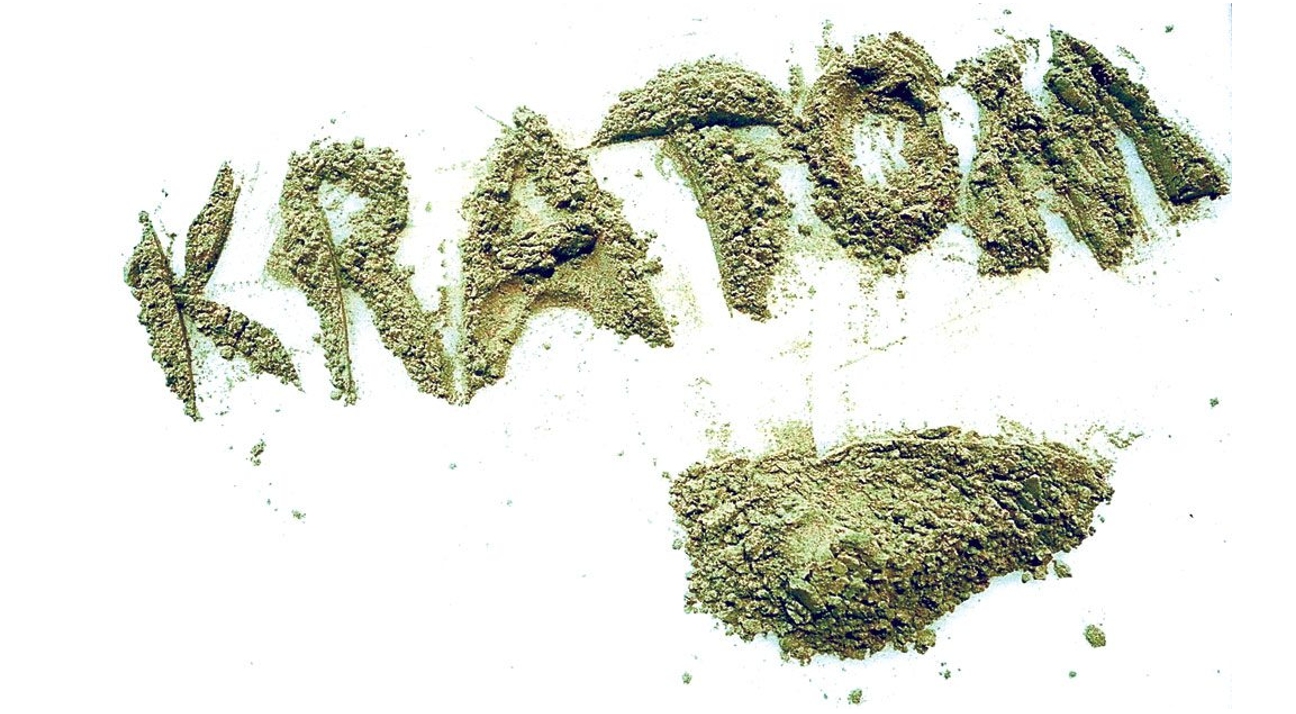
“By looking at the chemical structure of Chloroquine molecules that contain secondary and tertiary amine compound structures, it can be considered to use kratom leaves. Because the Mitragynine compound in kratom is actually a secondary and tertiary amine compound”.
Dr. Usman’s hypothesis is that since the atomic structure of certain kratom alkaloids is similar to that of chloroquine, it may have similar effects. However this is far from proven science, as noted with caution in the article Kratom and Chloroquine: The Truth Behind the Coronavirus Claim:
There are no scientific experiments to prove kratom has alkaloids that can stop the coronavirus. While there are molecules that are similar in their atomic structure to chloroquine, as Dr. Usman was announcing, this does not mean kratom’s molecules would behave in a similar fashion in an experiment with the coronavirus.
You see, chloroquine is a synthetic drug. It’s created in a lab by chemists. It’s not a molecule found in nature. However, it is a synthetic form of quinine, an alkaloid found in the bark of cinchona trees. And cinchona belongs to the Rubiaceae family, which kratom also belongs to, so it’s no surprise kratom has molecules inside the leaf that are similar in structure to chloroquine.