What four thousand years of traditional medicine got right about the fly agaric
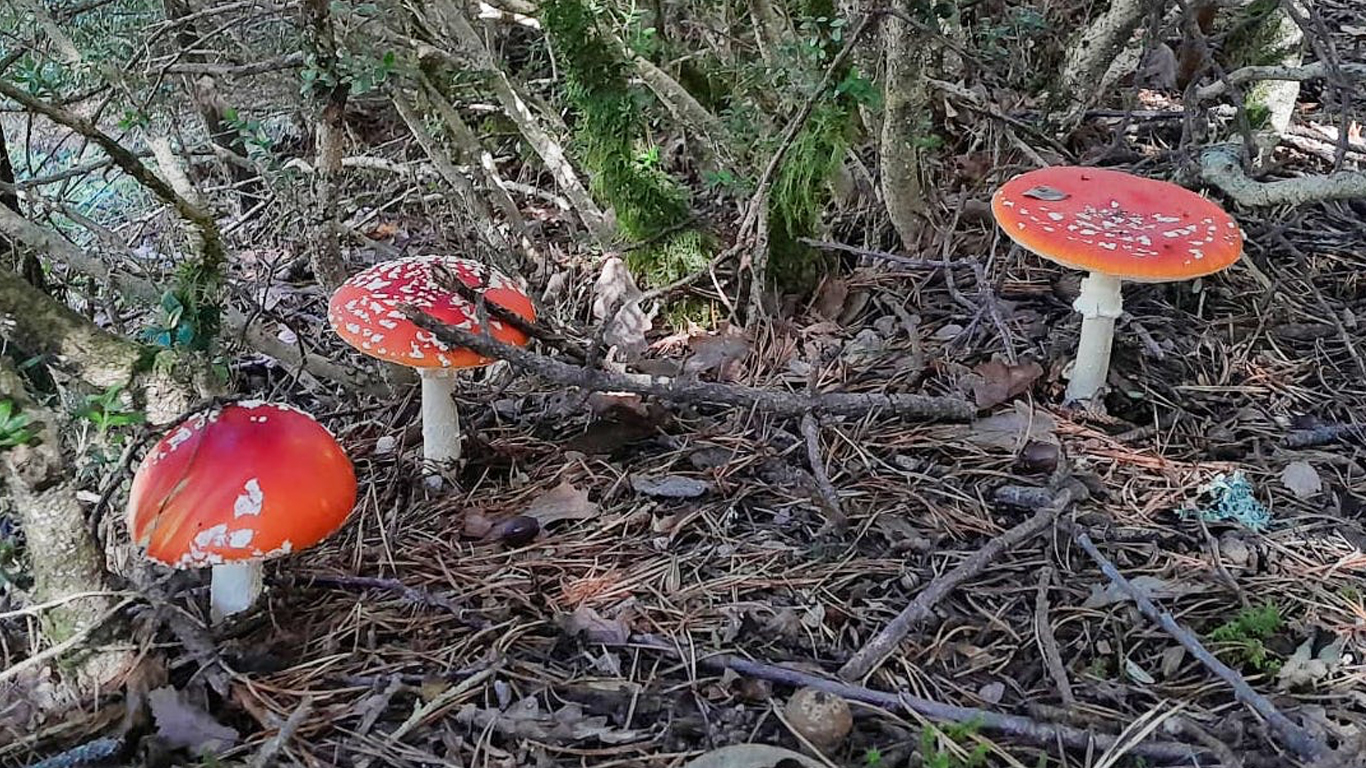
It is the most recognized mushroom in the world with its scarlet cap, white spots, and fairy-tale silhouette. It has been a staple of Christmas cards and Mario games for decades. It has also, for most of that time, been misclassified.
Western science filed Amanita muscaria, the fly agaric, under a single label of poisonous. That label was not entirely wrong, but it is incomplete. Across traditional plant medicine, neuroscience, and the growing community of careful self-experimenters, a different picture is emerging: a mushroom with a real, if still largely unexplored, case for therapeutic use.
Pain relief. Neuroprotection. Sleep. Anxiety. The evidence is early and the risks are real, but the research questions are finally being asked—so let’s dig in.
A different molecule
Most psychedelics work through serotonin. Psilocybin, LSD, and DMT all hit the same receptor in the brain, producing the flooded, hyperconnected states that have come to define the modern psychedelic renaissance. Muscimol, the principal active compound in Amanita muscaria, does none of that.
Read the full article at North Spore