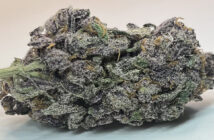
Walk into any licensed dispensary in Canada today, and the shelves have never looked more exciting with dozens of strains, vivid names, and endless variety. But beneath the surface of that apparent abundance, some say the genetic foundation of cannabis is shrinking.
The legal market has quietly converged on a narrow set of traits that include dense frosty buds, THC numbers north of 25%, reliable yields, and short flowering times. These are the economics of survival for a licensed producer under margin pressure. But they come at a cost most consumers never consider, and one the industry is only beginning to reckon with.
“What is viable to the market now is a pretty narrow cross section of how cannabis can express traits like cannabinoid content, aroma, flavour and flower morphology,” said Andrew Hand, Senior Director of Strategic Planning and Analytics at Meridian 125W Cultivation. “Ask any old head who has been around cannabis a very long time, real storied legacy growers, or the kind of guy who companies bring in to help steer brand strategy, and they will all be able to describe a strain they loved to death, but would never perform well at market or in large scale cultivation.”
That tension between what is commercially viable and what is genetically valuable sits at the heart of a growing concern among breeders, researchers, and longtime industry observers. The worry isn’t just about nostalgia for classic strains, it’s about what gets permanently lost when an entire industry optimizes for the same checklist.
Read the full article at StratCann