Is this boom benefiting indigenous cannabis farmers?
Cannabis is booming as an ingredient in everything from supplementary oils, inflammation-reducing skin creams, lip balms to health drinks and gummy sweets that promise to reduce anxiety and pain and promote relaxation.
The global legal cannabis market is today worth about US$69.78 billion, and this will skyrocket to US$216.76 billion by 2033.
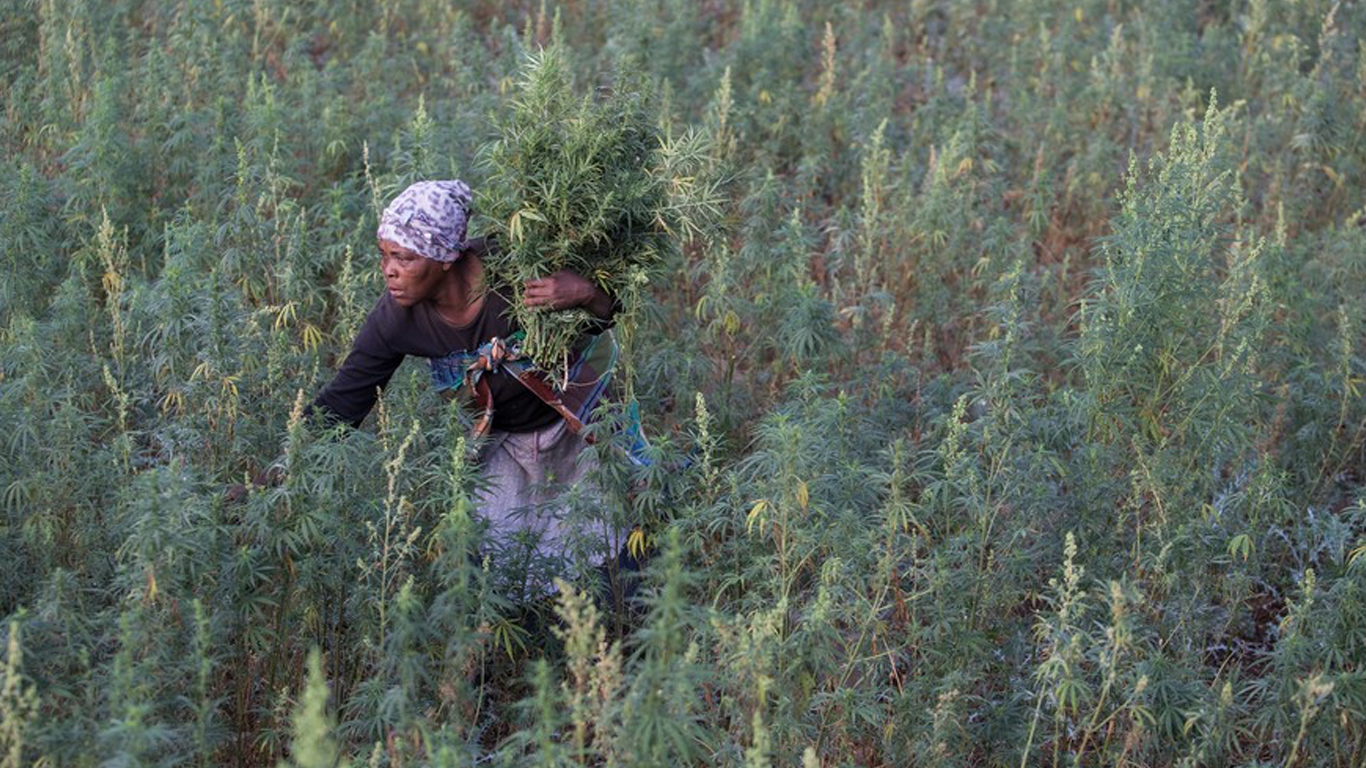
But is this boom benefiting indigenous cannabis farmers in southern Africa? They’d been growing the plant for hundreds of years before colonial authorities criminalised it in the early 1900s. Rural people continued to grow it illicitly after that, relying on its medicinal properties.
For many rural households in southern Africa today, cannabis pays for the family’s food, education, and other necessities.
In South Africa, cannabis was prohibited under different laws since 1928. In neighbouring Zimbabwe, the Dangerous Drugs Act criminalised cannabis in 1955, and this continued after independence.
But in 2018, this changed. South Africa’s Constitutional Court decriminalised private use and limited private cultivation for personal consumption, while Zimbabwe regulated the cultivation of cannabis for medicinal and industrial purposes.
We are social scientists who research cannabis and development in Africa. We interviewed a wide range of people, from political leaders to illicit growers to cannabis lobbyists and non-governmental organisations to technical people involved in the industry, such as greenhouse installers. We wanted to uncover the challenges small-scale cannabis farmers faced after cannabis was decriminalised.
Our research found that cannabis reform has continued old patterns of unfairness. For example, we found that medicinal cannabis production is currently an exclusive business which only well off businesses can participate in. Farmers who traditionally cultivated cannabis and sold it when it was still illegal have not been included in the new cannabis industry.
If these problems are not solved, the potential of cannabis to be a tool for development in Zimbabwe and South Africa will remain unfulfilled.
Read the full article at The Conversation