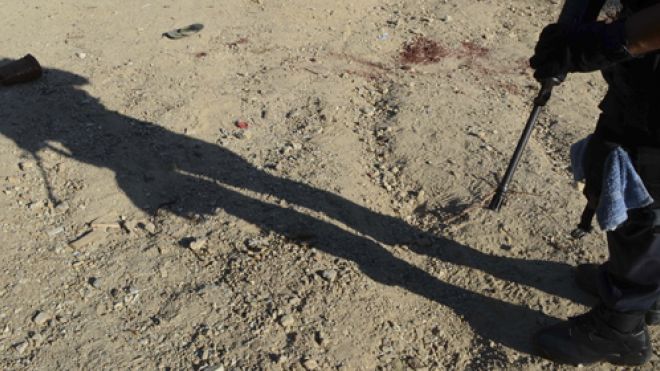
The death toll in Mexico’s bloody drug war has been hotly debated since outgoing President Felipe Calderón declared an offensive on the country’s drug cartels back in 2006.
Javier Sicilia once wrote poetry inspired by Catholic mysticism, but traded his pen to work for justice and peace after the March 2011 murder of his son Juan Francisco, 24, whose body was stuffed with six others into car in Cuernavaca.
Peace activists in Mexico wanted a government monument to the victims of the drug violence that has spun out of control over the course of a six-year assault on the country's cartels.
A Mexican government official has told reporters that the CIA and other international security forces are not fighting drug traffickers, but rather they are managing the trade. This is the latest astounding claim about violence that has lasted more than six years and claimed more than 55,000 lives.
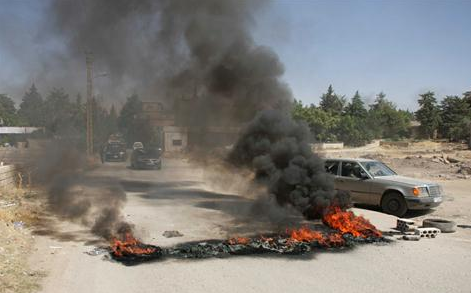
Farmers armed with assault rifles, rocket-propelled grenades and mortars forced Lebanese government troops to abandon an operation to destroy their illegal cannabis crop in Lebanon's Bekaa Valley on Monday, a witness said.
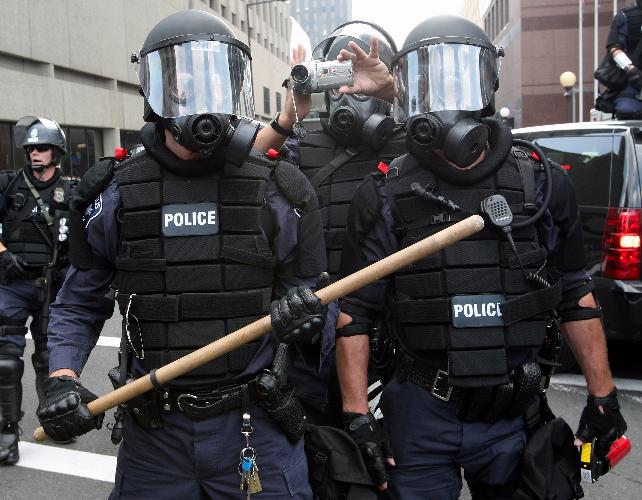
The federal government’s effort to battle drug abuse has been a tragic and expensive failure. But of course, admitting that would make politicians, who regularly endorse it to sound tough, seem foolish and careless with taxpayer dollars. So the War on Drugs continues, while of necessity it slowly morphs into new forms of federal waste and unnecessary intrusion into people’s lives.
The Drug War is over. The U.S. government hasn't stopped arresting people for using pot and other illicit substances. But no one seriously believes Washington is going to "win," whatever that means. The Drug War is on autopilot, with American politicians afraid to admit the obvious.
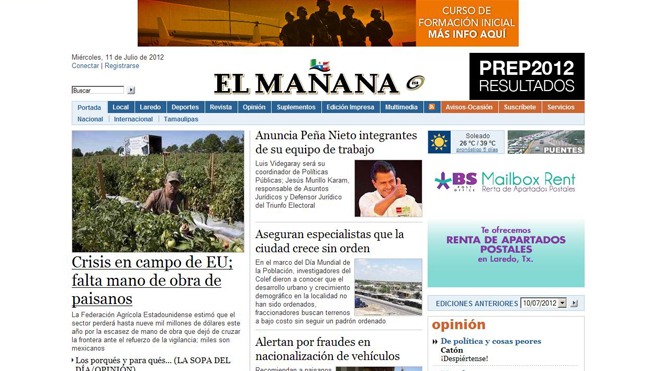
A newspaper in Mexico's violent city of Nuevo Laredo announced on Wednesday it will end coverage of drug-related bloodshed, one day after grenades damaged its offices for the second time this year.