Marijuana, already shown to reduce pain and nausea in cancer patients, may be promising as a cancer-fighting agent against some of the most aggressive forms of the disease.
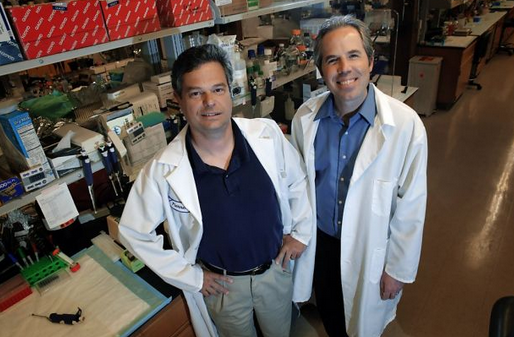
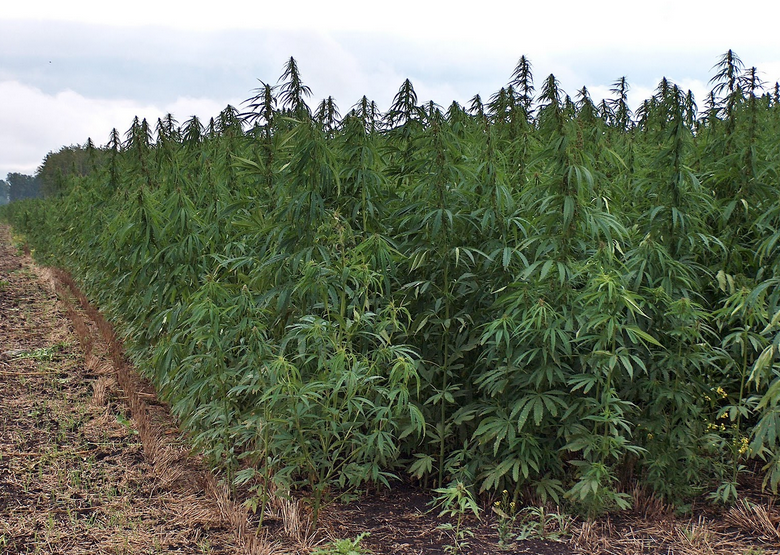
Researchers at the University of Saskatchewan have made a discovery about how marijuana plants create tetrahydrocannabinol (THC) — the active ingredient in pot that gets smokers high.
CANNABIS CULTURE - "Up In Smoke: Getting the Lowdown on Pot" takes place at the Bohemian Cafe, 524 Bernard Avenue, Kelowna, to explore how the laws that regulate the growth and sale of marijuana for personal and medicinal use have resulted in unintended consequences.
A study in the August edition of The Journal of School Health finds that the generations old theory of a “gateway drug” effect is in fact accurate for some drug users, but shifts the blame for those addicts’ escalating substance abuse away from marijuana and onto the most pervasive and socially accepted drug in American life: alcohol.
CANNABIS CULTURE - Dr Mary-Ann Fitzcharles of McGill University Health Centre released a fibromyalgia medical marijuana study that's beyond bogus. People with fibromyalgia actually use cannabis less than the national average, but that's not in their study.
Two-thirds of adults in the United States believe the “War on Drugs” has been futile, and a majority continue to call for the legalization of marijuana in the country, a new Angus Reid Public Opinion poll has found.
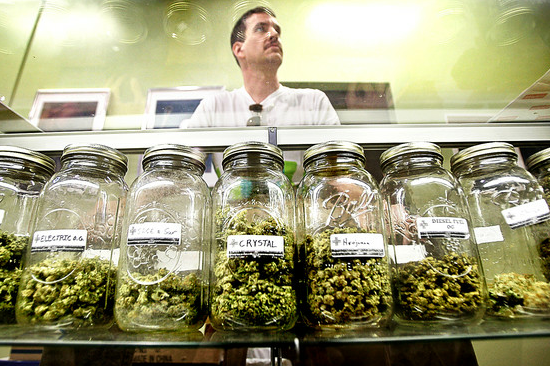
Neighborhoods with medical marijuana dispensaries do not have higher crime rates than other neighborhoods, according to researchers who examined 95 different areas of Sacramento, Calif., in 2009.
First and only federal commission on pot policy determined, "the criminal law is too harsh a tool" to apply to possession offenses: commission's recommendations still, if not more, applicable today.