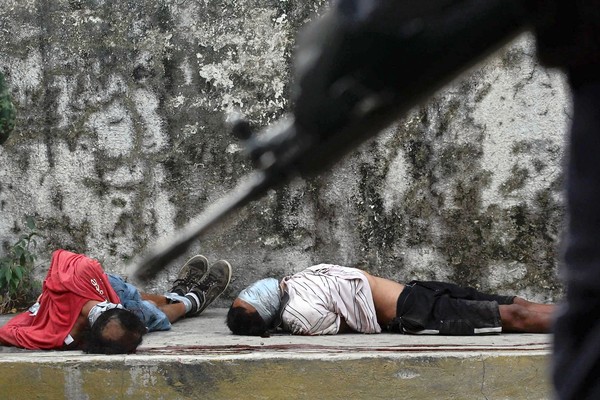
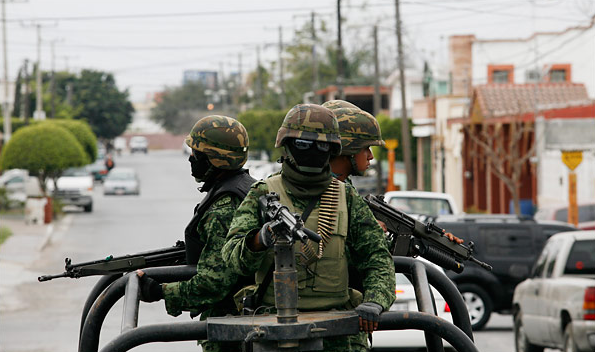
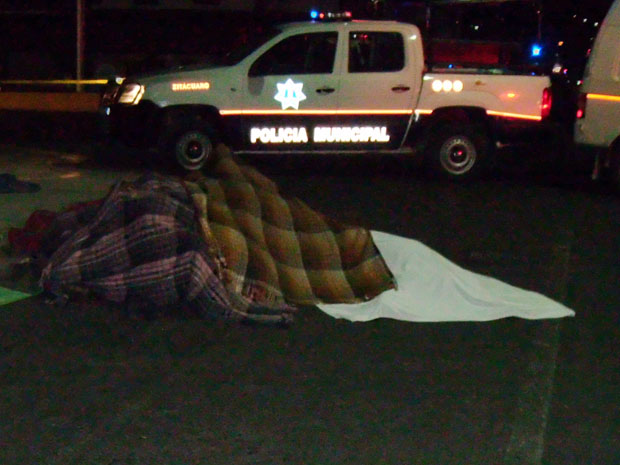
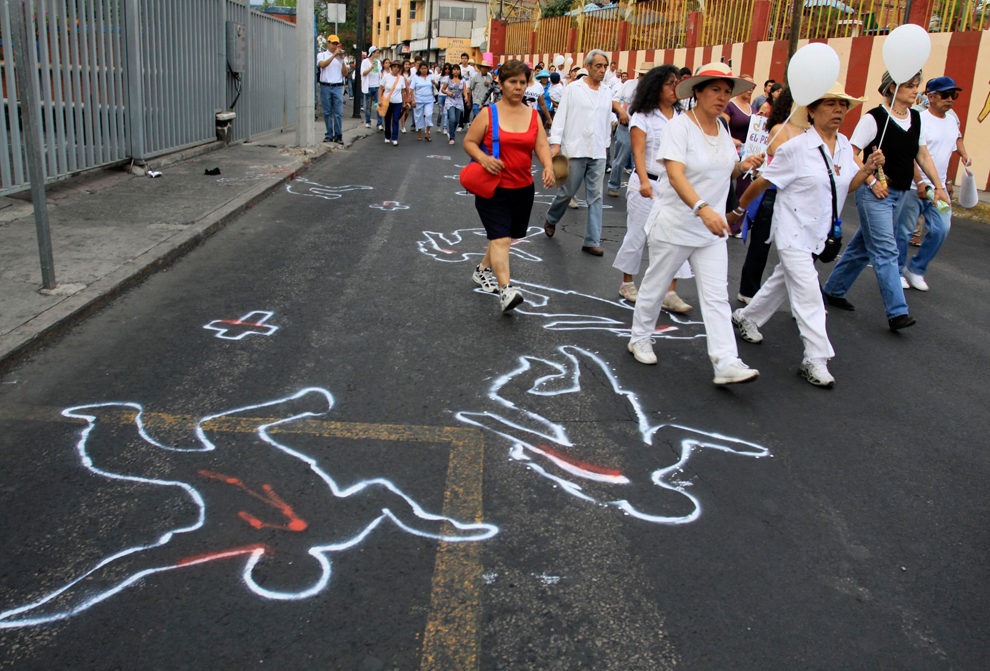
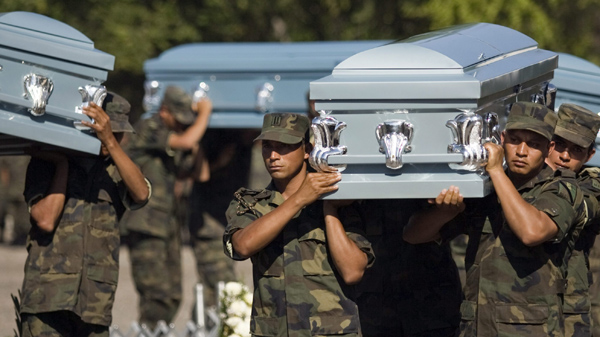
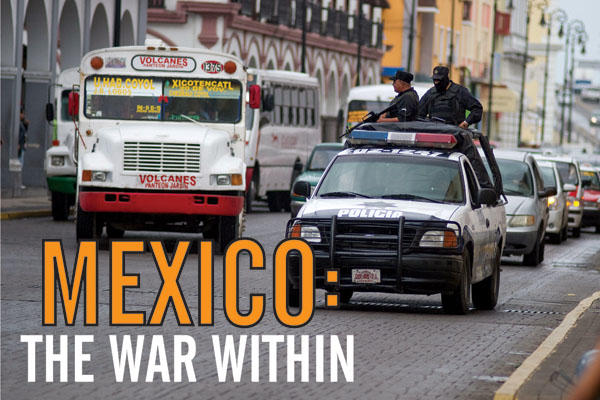
The Mexican drug war that has largely been defined by violence along the border is intensifying in interior and southern areas once thought clear of the carnage, broadening a conflict that has already overwhelmed the authorities and dispirited the public, according to analysts and new government data.
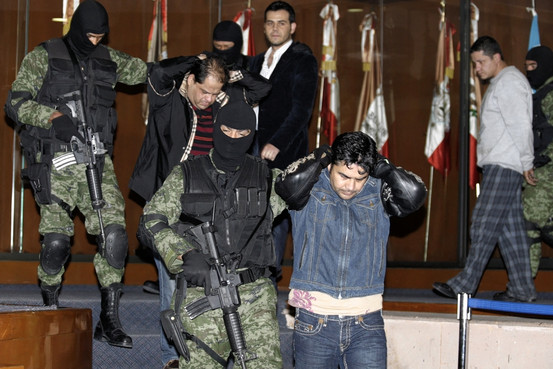
When a top Mexican or Colombian drug lord is captured, events normally go something like this: He gets extradited to the U.S. and makes a closed-door deal with prosecutors to give information on the drugs trade while getting a reduced sentence in return. The public finds out little to nothing of the details.
Outwardly, life seems normal; but as drug war kidnappings, extortion, and violence brush closer to the average citizen, experts say, the mental terrain looks like post-traumatic stress.
In part of a move to transfer tactics from the "war on terror" to the "war on drugs", the Pentagon is paying private security firms millions to fight the drug war internationally.
In part of a move to transfer tactics from the "war on terror" to the "war on drugs", the Pentagon is paying private security firms millions to fight the drug war internationally.