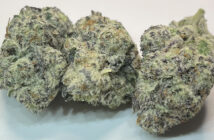
The Trump administration’s historic move to reclassify state-licensed medical marijuana as a less-dangerous drug was cheered by some advocates but for others, it fell far short for the thousands still incarcerated on federal cannabis-related convictions.
The executive order, which acting Attorney General Todd Blanche signed Thursday, does not address current penalties for possessing and selling marijuana or those jailed with yearslong sentences.
“While this is a victory, the fight is far from over,” said Jason Ortiz, director of strategic initiatives for the Last Prisoner Project, a nonprofit focused on cannabis criminal justice reform.
Proponents of legalizing marijuana as well as overhauling prison sentencing say this order, which does not completely decriminalize the drug, benefits only cannabis researchers, growers and others in Big Weed. Meanwhile, thousands — many of whom are people of color — are stuck serving harsh sentences for marijuana-related offenses. Or they have served their time but having a conviction on their record has made life difficult.
Now, advocates are calling on Congress and state lawmakers to take concrete steps to ensure those with marijuana-related convictions receive fair treatment or be forgiven altogether.
Prisoners and their families look for hope
Blanche’s order reclassifies state-licensed medical marijuana as a less-dangerous drug. The major policy shift, which both Presidents Barack Obama and Joe Biden had considered, means cannabis won’t be grouped with drugs like heroin.
But it does not legalize marijuana for medical or recreational use. It shifts licensed medical marijuana from Schedule I — reserved for drugs without medical use and with high potential for abuse — to the less strictly regulated Schedule III. This will likely give licensed medical marijuana operators and cannabis researchers a major tax break and less stringent barriers to doing normal business.
Virtually no one imprisoned at the federal level is there solely for marijuana possession. But many are there for large-scale possession, trafficking offenses or both.
Read the full article at CityNews