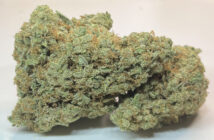
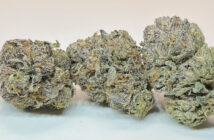
“The plowman is broad as the back of the land he is sowing / As he dances the circular track of the plow ever knowing / That the work of his day measures more than the planting and growing / Let it grow, let it grow, greatly yield,” sang The Grateful Dead in “Weather Report Suite Part II: Let It Grow.”
Every autumn, as the leaves turn and the air chills, cannabis cultivators brace for one of the most defining moments in the calendar: Croptober. It’s when months of labor under the sun, in soil or in controlled environments, yield their bounty. And for many in the cannabis industry, those few weeks determines profitability, survival and what the next season will look like.
What Is Croptober?
“Croptober” refers to the peak harvest season for outdoor cannabis in many parts of the Northern Hemisphere. During this period, growers harvest flower, trim buds, dry and cure and process for extraction or packaging. For indoor or greenhouse operations, similar cycles happen year-round. Still, Croptober remains a symbolic and financial focal point, especially in established outdoor cultivation regions in the U.S., Canada, Northern Europe and increasingly, Latin America.
Walk through a Northern California field in late October and you can feel it—the hum of trimming machines, the nervous laughter, the smell of diesel generators and coffee. It’s part harvest, part high-stakes ritual. The culture of Croptober feels as much like a harvest festival as it does a fiscal reckoning—farmers celebrating the plant’s promise while eyeing next year’s survival.
“Croptober is our New Year in the Northern Hemisphere. It’s when our passion for the sacred plant fills the air, resin glistens in the sun, and a year of dedication finally speaks for itself,” said James Loud, founder of Loud Genetics.
Read the full article at Forbes