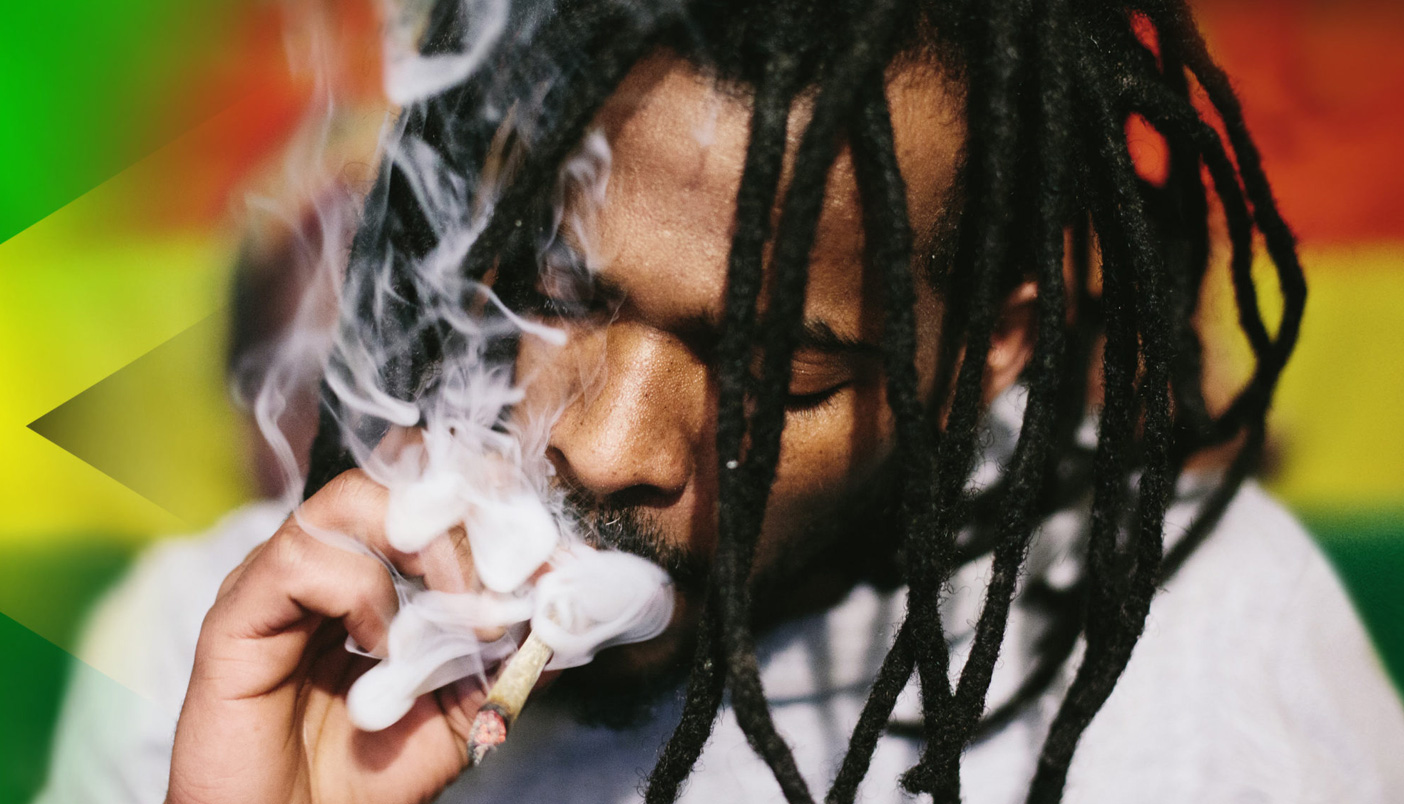
Members of the religious group would like to see New York’s cannabis legalization law revised to include accommodations for those who use the drug in worship.
For Rastafarians like Richard Chung, a leather craftsman with a bundle of salt-and-pepper dreadlocks, marijuana has long been both sacred and a livelihood.
Those dual uses made Rastafarians instrumental in building New York’s illegal cannabis market, and made them frequent targets of the police. Mr. Chung, now 70 and known by his spiritual name, Ras Opio, was arrested several times over the decades that he sold weed. On one occasion, he said, officers cut off one of his dreadlocks and hung it at the station house like a trophy.
New York legalized recreational cannabis use in 2021, seeking to turn the illicit trade into a legitimate industry benefiting those who had been harmed by enforcement of drug laws. But while the law sought to give people like Mr. Chung an opportunity to profit from their difficult experiences with the police, it did not make accommodations for those whose faith was intertwined with that history.
Read the full article at The New York Times