Headline News

Marijuana Use Rises Among Teens; Cigarette Smoking Lowest Since '75


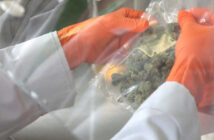
Marijuana use among teenagers increased this year after previous declines, while the use of other illicit drugs like cocaine mostly declined.

According to an annual National Institute on Drug Abuse-funded survey of nearly 47,000 students, almost one-third of 12th-graders and more than one-quarter of 10th-graders reported using marijuana in 2009. Almost 12% of eighth-graders reported marijuana use, an increase from about 11% in 2008.

The survey, conducted by researchers at the University of Michigan, asked teenagers to report on the use of smoking, alcohol use and drug use, including non-medical uses of prescription painkillers and over-the-counter cold and cough products.

The report showed cigarette smoking was at the lowest point since the survey started in 1975, although the use of smokeless-tobacco products increased on some measures this year.

Daily cigarette use by 12th-graders was 11.2%, a slight drop from 11.4% in 2008, while any use during the past 30 days was 20.1%, also a slight decline from 2008. Smokeless-tobacco use during the past 30 days in 2009 was reported by 8.4% of students in 12th grade, up from 6.5% in 2008.

Researchers said one of the reasons smoking rates have declined is that the percentage of students who reported ever trying smoking has "fallen dramatically." For example in 1996, 49% of eighth-graders reported trying cigarettes, compared with 20% this year.

Alcohol use stayed about the same last year, with more than half of 10th-graders and about two-thirds of seniors reporting alcohol use in the past year.

The survey showed past-year use of cocaine decreased to 3.4% from 4.4% in 2008 among 12th-graders, along with declines in the use of hallucinogens and methamphetamine.

The use of over-the-counter cold and cough medicines to get high, however, edged up among all age groups, with 6% of 10th-graders reporting non-medical use of the products last year.

The annual survey also found continuing high rates of prescription-drug abuse, with almost 10% of 12th-graders reporting non-medical use of the painkiller Vicodin last year, the same rate as 2008. Almost 5% of high-school seniors reported using OxyContin for a non-medical use in 2009, a slight uptick from 2008.

Researchers said 66% of teens reported obtaining the prescription drugs from a friend or relative, while 19% said they received the drugs with a doctor's prescription, and 8% said they bought the drugs from a dealer.

- Article from The Wall Street Journal.

chupacabra

this article smells to me like filthy propaganda, if you tax and regulate cannabis then less people will be roaming the streets getting their medical cannabis, crime will never be eliminated completely, and the sun won't shine forever but we will be able to take the revenue generated from taxes and help our economy, we need los angeles to increase the cap for dispensaries from seventy, what is that? seventy is nothing in a place as big as los angeles, the voters will be speaking loud and clear and we know cannabis is nontoxic and we could tax it and regulate it like a good bottle of whiskey,
smoking is a non violent offense and Professor David Nutt said it better cannabis is quite benign, reschedule cannabis so we can study it and market it for medication, if pharmaceutical companies don't see the opportunity for a synthetic high quality cannabinol compound they are blind, non toxic is a great quality of cannabis. happy 420

Submitted by Anonymous () on Tue, 12/15/2009 - 12:06.

"if pharmaceutical companies don't see the opportunity for a synthetic high quality cannabinol compound they are blind"

Before prohibition up to 80% of medications were Cannabis Sativa based. Patent drugs were all the rage at the turn of the century, as they are now, and when congress passed a law stating life cannot be patented, they had a problem. The drug companies along with the cotton producers, pulp and paper manufacturers, and synthetic fibre company DuPont banned together to have Cannabis Sativa made illegal. Hemp fibre and the medicinal use of cannabis was cutting into there profits.

A synthetic THC was created called Marinol. However, mother nature knows best and the product is not very effective because there are over sixty different cannabinoids in natural cannabis not just THC. It's the combination of all these elements that make cannabis such a great plant.

The only reason they are trying to synthesis it is because nature can't be patented. With a patent drug they can sell it at whatever price they want, they are protect by intellectual property laws, and most importantly, people can't grow their own medicine.

I agree with your first statement but putting cannabis in the hands of corporate drug companies is a NO GO FOR ME! The whole idea of stimulating the economy, in my opinion, is that small retailers will spring up to support the new industry. Jobs can be created because there many positions along the production chain where different skills are needed.

We don't need one big company supplying the world. We need communities that have there own hydroponics stores, seed sellers, HVAC specialists, organic nutrients supplies, and the list goes on and on. People got sucked in to the notion that supporting the economy means handing out billions to faceless corporations. Have you seen the effects of economy stimulation in your community? I'm sure you have seen the effects when all the money is in the hands of few and when that money suddenly 'disappears'. I bet if Cannabis were legalized and regulated you would see a boom in Ma'n'Pa stores opening up. That's real stimulation.

Fuck, that rant went on longer then I wanted it to. My original point was this: Synthetic bad. Natural good.

Submitted by Jessy Forsyth () on Wed, 12/16/2009 - 00:47.

Well said Jesse.

Submitted by Anonymous () on Wed, 12/16/2009 - 09:19.

Small and local is beautiful and so is Jessy comment.
You said it all.

Submitted by Anonymous () on Wed, 12/16/2009 - 13:49.